
What this project is about.
This one is from Book 9.
How long it took to read this (aloud): 4 mins 12s
What it’s “about”: We get old and there is nothing the gods can do about it. A youth potion would cause havoc. The End.
Words I didn’t know: none
Quotable quotes:
Then both were startled by a fresh surprise:
They saw a young man in the shaded lintel,
Iolaus, looking like a boy, the beardless image
Of all he used to be. In answer to
The prayers of Hercules, Hebe (his wife
In heaven and Juno’s daughter) had worked her magic
For husband’s sake and gave his dearest fnend
(Grown old) his youthful energy and strength.
AND
Then Achelous’s daughter, Callirhoe,
Shall plead with Jove to make her boys grown men
Swift to undo their father’s enemies,
And Jove with Hebe’s help shall grant her wish.”
AND
As visions of the future flowed in words
That poured from Themis’ mouth, each god in Heaven
Demanded favors for their proteges:
Pallantis said her husband was too old
For any kind of pleasure on Olympus;
Ceres (whose words were always understatements)
Complained that Iasion wore a long white beard;
Vulcan said Enchthomus needed vigour;
Venus insisted that her ancient friend Anchises
Was not the upright lover she enjoyed —
A draught of youth would make him new again.
AND
And if you need my words
Of consolation, remember that the Fates
Rule over all of us, including me.
If time ran as I willed it, years would make
Old Aeacus’ back, loins, legs grow straight again;
Rhadamanthus would be a boy forever,
And Minos would not be a poor old king,
Heavy with years, his reign a weary story.”
How it lands to my eco-sensibility: xx
Obvious allusions, ways it was used (that I am aware of already) : xx
What I know I didn’t ‘get’: xx
To my knowledge, who’s used it why/how (RACC): xx
Further research questions: xx
Anything else: xx
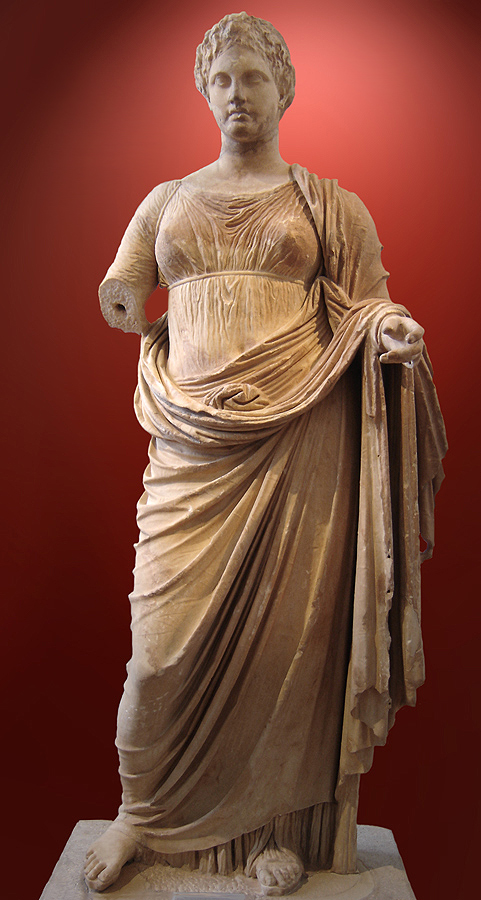
In Greek mythology and religion, Themis (/ˈθiːmɪs/; Ancient Greek: Θέμις, romanized: Themis, lit. ’justice, law, custom’)[2] is the goddess and personification of justice, divine order, law, and custom. She is one of the twelve Titan children of Gaia and Uranus, and the second wife of Zeus. She is associated with oracles and prophecies, including the Oracle of Delphi.
Themis means “divine law” rather than human ordinance, literally “that which is put in place”, from the Greek verb títhēmi (τίθημι), meaning “to put.”[3]
To the ancient Greeks she was originally the organizer of the “communal affairs of humans, particularly assemblies.”[4] Moses Finley remarked of themis, as the word was used by Homer in the 8th century BCE, to evoke the social order of the 10th- and 9th-century Greek Dark Ages:
Themis is untranslatable. A gift of the gods and a mark of civilized existence, sometimes it means right custom, proper procedure, social order, and sometimes merely the will of the gods (as revealed by an omen, for example) with little of the idea of right.[5]


Leave a Reply